
Introduction
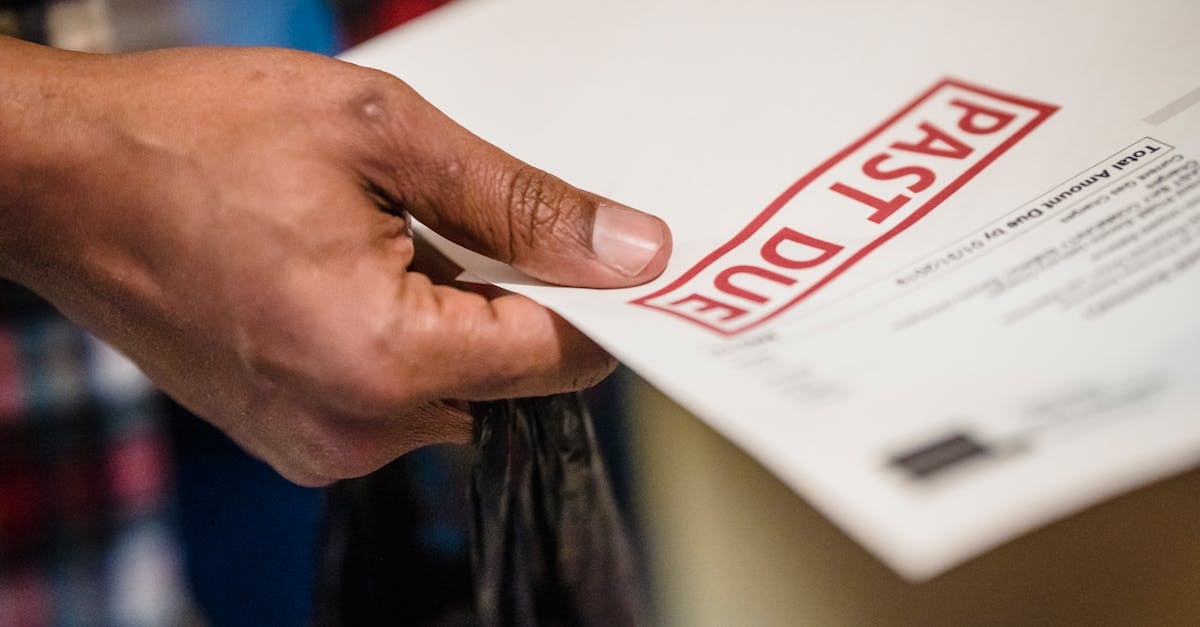
If your team is still chasing PDFs, rekeying invoices and losing days‑sales‑outstanding to manual bottlenecks, you know how quickly billing becomes a cash‑flow and compliance problem. Missed approvals, unclear line‑items and disconnected payment reminders create disputes, late fees and audit headaches — and they waste valuable time that finance, legal and HR could spend on higher‑value work.
How automation helps: Document automation — from OCR capture and auto‑matching to configurable approval rules and timed dunning — turns invoices into predictable workflows. This article walks through practical steps and templates to: standardize invoice fields and tax handling; ingest and extract data from emailed invoices; enforce threshold‑based routing and SLA timers; run automated payment‑reminder cadences; and close the loop with reconciliation and reporting. We’ll also show ready‑to‑deploy Formtify blocks and business templates to accelerate rollout so your team can reduce errors, speed approvals and improve cash collection.
Invoice template best practices: line‑items, tax handling and payment terms
Clear line‑items: Use a structured invoice template that separates SKU/line code, short description, quantity, unit price, discounts and line subtotal. That makes downstream matching and reconciliation simpler and reduces disputes.
Tax handling
Show taxes per line where jurisdictions require it (VAT/GST) and include a summarized tax block. Capture tax registration numbers and currency at the top. Indicate whether the price is tax‑inclusive or exclusive.
Payment terms
- Net terms (e.g., Net 30) and explicit due date.
- Accepted methods (bank details, card links, ACH, escrow options).
- Late fees and early‑payment discounts with clear calculation rules.
- Remittance instructions and required fields (PO number, contract reference).
Using standardized business templates — for example an invoice template — speeds approvals and reduces errors. If you offer downloadable options, provide versions for Word and Google Docs (business templates word, business templates google docs) so internal teams can edit safely.
Capture pipeline: OCR extraction from emailed invoices and auto‑match to client records
Ingestion: Accept invoices by email, upload portal, and EDI. Normalize file types (PDF, image) up front.
OCR & extraction: Use an OCR engine tuned for invoices to pull key fields: invoice number, date, total, line‑items, tax, vendor and PO. Store confidence scores for each field.
Auto‑matching: Match extracted vendor and client data against CRM/accounting records using multiple keys (tax ID, vendor name fuzzy match, email, bank account). Use PO numbers or contract IDs to increase hit rates.
Human‑in‑the‑loop: Route low‑confidence extractions to a queue for verification. Keep an audit trail of corrections to improve templates and machine learning models.
Best practices:
- Require a PO or contract reference on invoices to improve automatic matching.
- Standardize incoming invoice formats by sharing a preferred invoice template with suppliers (business templates for startups and suppliers reduce variance).
- Log parsing errors and iterate on your extraction rules—this is part of business document automation and how to create a business template that performs well in the capture pipeline.
Approval and routing rules: thresholds, parallel approvals and SLA‑driven payment windows
Amount thresholds: Configure rules so small amounts auto‑approve (e.g., under $500), mid amounts require a manager, and large amounts route to finance and legal. Thresholds should be configurable per department.
Parallel vs serial approvals: Use parallel approvals when multiple sign‑offs are independent (e.g., procurement + legal). Use serial routing when order matters (e.g., manager then CFO).
SLA‑driven windows: Attach SLAs to routing rules — for example, a 48‑hour approval SLA before auto‑escalation. Track timers and escalate to backups when approvers are unavailable.
Auditability and delegation: Record approver identity, timestamp, comments and any attached contract (link to relevant agreement). Support temporary delegation for vacations and role changes.
Practical controls:
- Keep an approval matrix as part of your template library (project plan template and meeting agenda template can help coordinate reviews).
- Surface remaining SLA time on approver dashboards.
- Enforce segregation of duties for high‑risk supplier payments.
Automated dunning and payment reminders: timing, messaging and audit trails
Timing cadence: Adopt a staged schedule tied to the invoice due date. Example cadence: D+1 (friendly reminder), D+7 (polite follow‑up), D+14 (formal notice + payment link), D+30 (escalation to collections/legal).
Message sequencing: Tailor tone across stages — friendly and helpful early, firmer later. Use templates for subject lines and body copy to ensure consistency and compliance.
Actionable communications: Include a direct payment link, downloadable invoice (from your invoice template), and clear remittance instructions. Always reference the PO and contract IDs.
Audit trail: Log every sent reminder, recipient, bounce/receipt status, and any responses. This protects the company in disputes and supports automated reconciliation.
Optimization tips:
- A/B test subject lines and send times.
- Offer multiple payment options (card, ACH, escrow) to reduce friction.
- Combine automated dunning with occasional human outreach for high‑value customers.
Reporting and reconciliation: link invoices to contracts and receipts for clean books
Link invoices to contracts: Store contract references (service and purchase agreements) on each invoice record so finance can validate deliverables and terms quickly. Prefer structured links to documents rather than free‑text notes.
Attach receipts and proof of delivery: For every payment, attach bank receipts, remittance advices, or escrow confirmations. This speeds period‑end reconciliation and audit responses.
Key reports:
- Aged receivables and days‑sales‑outstanding (DSO).
- Cash forecast by expected payment date.
- Unmatched payments and tolerance exceptions.
Reconciliation process: Automate 3‑way matches (invoice ↔ contract/PO ↔ receipt). Flag discrepancies for review and record adjustments with references to the underlying contract.
Compliant links: Use your standard contract templates so the legal terms referenced on invoices are consistent—link to your service agreement, purchase agreement, or an escrow agreement when relevant. Consistent business templates reduce reconciliation disputes and make clean books easier.
Formtify templates and automation blocks to deploy a billing workflow quickly
Ready‑to‑use templates: Start with Formtify’s invoice template plus contract templates—service, purchase and escrow—to standardize references. These act as the single source of truth for billing terms.
Automation building blocks:
- Capture block: Email and portal ingestion + OCR extraction.
- Validate block: Field validation & PO/contract matching.
- Route block: Threshold‑based approvals and SLA timers.
- Notify block: Automated dunning and payment reminders with audit logs.
- Reconcile block: Match payments, attach receipts, and update accounting ledgers.
Quick deployment tips: Use the templates as-is to begin (business templates free trials are useful for pilots), then tweak for brand voice (brand style guide template) and internal processes. Export versions for Word or Google Docs if stakeholders prefer editable formats (business templates word, business templates google docs).
Maintain your template library: Keep a living library (project plan template for updates, meeting agenda template for template reviews). Version templates, record change reasons, and schedule quarterly reviews so the library remains relevant as your startup scales.
Summary
Automating client invoicing—from OCR capture and auto‑matching to configurable approval rules and timed dunning—turns a chaotic billing cycle into a predictable, auditable workflow. That predictability reduces disputes, speeds approvals, improves cash collection and makes period‑end reconciliation simpler. For HR and legal teams it means fewer manual reviews, clearer audit trails, and predictable delegation and SLA enforcement so those teams can focus on compliance and higher‑value work. Start with standardized business templates and ready automation blocks to accelerate rollout; get started at https://formtify.app.
FAQs
What are business templates?
Business templates are pre‑formatted documents—like invoices, contracts and service agreements—that standardize required fields and language. They reduce variation from suppliers and internal teams, which improves data capture, matching and auditability across your billing workflow.
Where can I find free business templates?
You can find free business templates from template libraries, industry associations, and specialist providers like Formtify that publish ready‑to‑use invoice and contract sets. Many providers offer starter packs for pilots so you can test templates in your capture and approval pipelines before scaling.
How do I customize a business template?
Customize templates by editing key fields (tax IDs, payment terms, PO/contract reference blocks) and updating brand elements like logos and tone of outgoing reminders. Keep structural fields consistent so OCR and matching remain accurate, and version changes in a template library to maintain auditability.
Are business templates legally binding?
Templates themselves are not inherently binding; the enforceability depends on the underlying terms, signatures and applicable law. Using standardized templates with clear payment terms and linking invoices to signed service or purchase agreements improves legal clarity and supports enforceability.
Can I use the same template for multiple businesses?
Yes—provided you update company‑specific details such as tax registration numbers, bank instructions and legal names for each entity. Maintain separate versions or variables for each business in your template library to avoid compliance or reconciliation mistakes.